
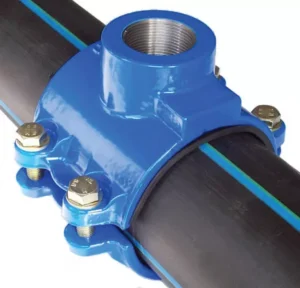
Pipe saddle clamps are critical components for supporting and securing pipes in industrial, plumbing, and fire protection systems. Choosing the right clamp ensures system longevity and prevents costly leaks or failures.
Key Factors to Consider
1. Material Compatibility
Most pipe saddle clamps are made of galvanized steel, stainless steel, or ductile iron. For outdoor or corrosive environments, stainless steel is recommended. For general-purpose use, galvanized steel offers good rust resistance at a lower cost.
2. Load Capacity
The clamp must support the weight of the pipe plus any fluid or insulation. Heavy-duty saddle clamps can handle larger loads and are often used in horizontal piping runs.
3. Pipe Diameter
Always measure the outer diameter (OD) of your pipe. An undersized clamp will not grip properly, while an oversized clamp may cause movement and vibration.
For a complete selection of high-quality options, visit our pipe saddle clamp product page.
Installation Best Practices
Use a torque wrench to tighten bolts evenly.
For insulated pipes, use clamps with a rubber liner to prevent compression damage.
Check alignment after installation – misaligned clamps can stress pipe joints.
Our pipe saddle clamps are designed for easy installation and long-term reliability.
Frequently Asked Questions
Q: Can pipe saddle clamps be used for vertical pipes?
A: Yes, but you need clamps specifically rated for vertical loads.
Q: How often should saddle clamps be inspected?
A: At least annually, or more often in high-vibration environments.


