Introduction
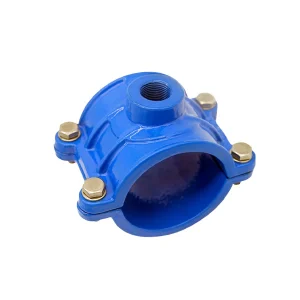
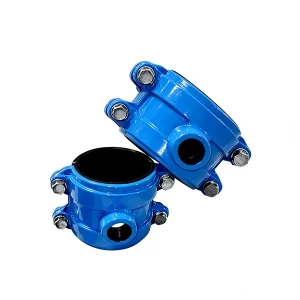
Pipe saddle clamps are widely used for creating branch connections in water supply, irrigation, and industrial piping systems. Although installation is relatively simple, improper installation can still lead to leakage, poor sealing, or reduced service life.
Using a high-quality pipe saddle clamp and following proper installation practices can significantly improve connection reliability and long-term system performance.
Choosing the Wrong Clamp Size
One of the most common installation mistakes is selecting the wrong clamp size. If the saddle clamp does not match the pipe diameter correctly, sealing performance may be affected.
Before installation, always verify:
- Pipe outside diameter
- Clamp specification
- Gasket compatibility
Proper sizing helps ensure a secure and leak-free connection.
Uneven Bolt Tightening
Another common issue is tightening bolts unevenly during installation. Uneven pressure may cause gasket deformation or sealing failure.
To avoid this problem:
- Tighten bolts gradually
- Alternate tightening positions evenly
- Follow the recommended torque if available
Consistent tightening improves sealing performance and connection stability.
Installing on Damaged Pipe Surfaces
Pipe saddle clamps should not be installed on severely corroded, cracked, or uneven pipe surfaces. Surface damage may prevent proper sealing and increase the risk of leakage.
Before installation, inspect the pipe carefully and clean the installation area if necessary.
Common Issues in Water Line Applications
In water supply systems, incorrect installation position or improper sealing may affect flow stability and long-term reliability. Choosing a suitable saddle clamp for water line application can help improve installation efficiency and reduce maintenance issues in branch piping systems.
Ignoring System Pressure Requirements
Not all saddle clamps are suitable for the same pressure conditions. Using a clamp beyond its pressure rating may result in leakage or mechanical failure.
Always confirm:
- Working pressure
- Pipe material
- Application environment
before selecting the fitting.
Quick Installation Tips
To improve installation results:
- Select the correct clamp size
- Ensure the pipe surface is clean
- Tighten bolts evenly
- Use compatible gasket materials
- Verify pressure requirements before installation
For a more detailed explanation, you can read our guide on how to install a pipe saddle clamp.
Conclusion
Most installation problems related to pipe saddle clamps can be avoided through proper sizing, careful installation, and correct product selection. Understanding these common mistakes helps improve sealing performance, reduce maintenance issues, and extend system service life.
Choosing the right pipe saddle clamp for your application is an important step toward building a reliable piping system.