When selecting pipes and piping components, many people focus on pipe diameter but overlook another important specification: pipe schedule.
Pipe schedule determines the wall thickness of a pipe and can affect pressure capacity, weight, and application suitability.
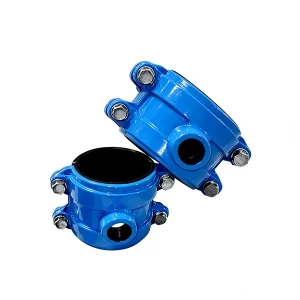
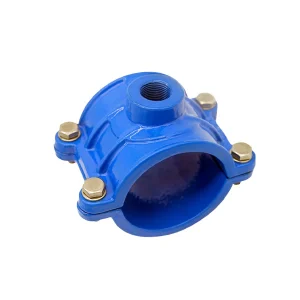
Understanding pipe schedule is important for engineers, contractors, and installers working with industrial piping systems and branch connection components such as a pipe saddle clamp.
What Is Pipe Schedule?
Pipe schedule is a standardized system used to describe the wall thickness of a pipe.
Common schedules include:
- Schedule 10
- Schedule 20
- Schedule 40
- Schedule 80
- Schedule 160
As the schedule number increases, the pipe wall generally becomes thicker.
How Pipe Schedule Affects Pipe Dimensions
An important point is that:
- The Outside Diameter (OD) usually remains the same.
- The Inside Diameter (ID) changes as wall thickness changes.
For example, two 4-inch pipes may have the same OD but different wall thicknesses depending on whether they are Schedule 40 or Schedule 80.
Why Pipe Schedule Matters
Pipe schedule influences several key performance factors.
Pressure Resistance
Thicker walls generally provide higher pressure capability.
Mechanical Strength
Higher schedules can improve resistance to mechanical loads and impact.
Weight
Thicker pipes weigh more and may require additional support.
Flow Capacity
A thicker wall reduces the inside diameter, which may slightly affect flow.
Common Pipe Schedules in Industrial Applications
Schedule 10
Often used in low-pressure systems and HVAC applications.
Schedule 40
One of the most widely used pipe schedules in industrial and commercial piping systems.
Schedule 80
Frequently used in higher-pressure applications requiring additional strength.
Relationship Between Pipe Schedule and Saddle Clamp Selection
Pipe saddle clamps are typically selected according to the pipe’s outside diameter (OD).
However, understanding the pipe schedule is still important because it helps verify:
- Pipe specifications
- Operating conditions
- Pressure requirements
- Application suitability
A properly selected pipe saddle clamp helps provide secure branch outlet connections and reliable system performance.
Applications in Water Distribution and Fire Protection Systems
Pipe schedule is commonly considered in:
- Water distribution networks
- Fire protection systems
- Industrial process piping
- HVAC installations
- Mechanical service lines
Selecting the appropriate schedule helps ensure safe and reliable operation.
Compatibility with Grooved Pipe Fittings
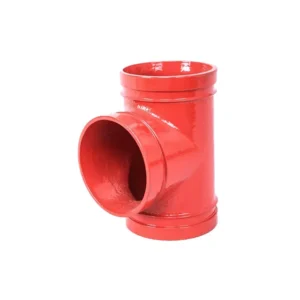
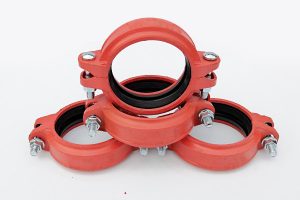
Many industrial systems use grooved pipe fittings together with standard pipe schedules.
Understanding pipe dimensions and schedules helps improve component compatibility and installation accuracy.
Working with a Reliable Manufacturer
For industrial projects, dimensional accuracy and product quality are essential.
Working with a professional grooved pipe fittings manufacturer and supplier in China helps ensure consistent specifications and technical support.
Conclusion
Pipe schedule is an important specification that describes pipe wall thickness and influences pressure capability, strength, and application suitability.
Although it does not usually change the pipe outside diameter, it plays a key role in piping system design and component selection.